
Shape Music Rhythm
Mai An TimMusic
4.0391.00 Reviews
- Version
- 1.21
- Installs
- 1.00M
- Age Rating
- Teen
Screenshots
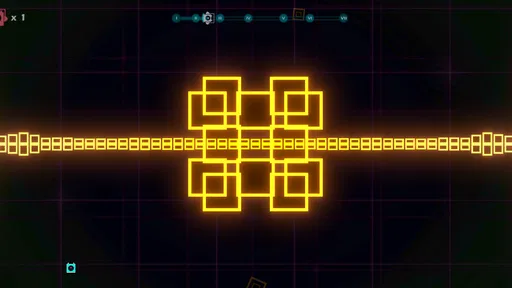
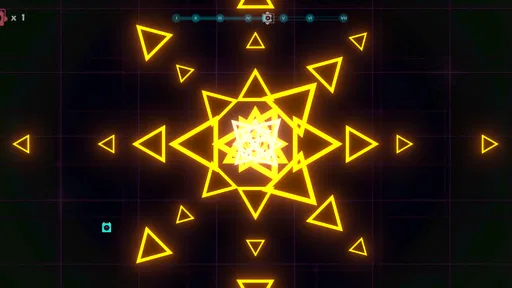
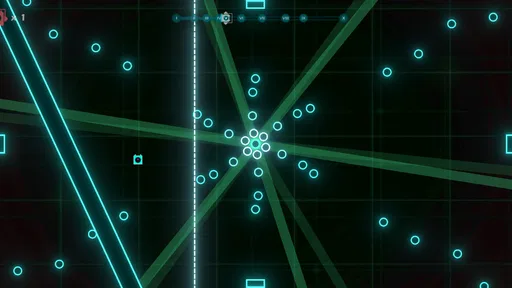
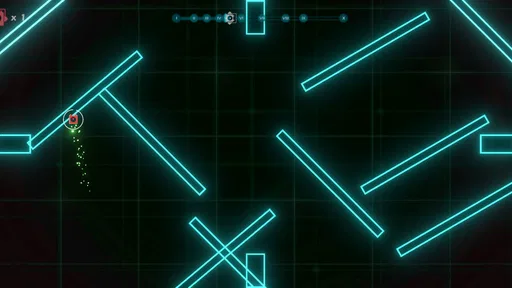
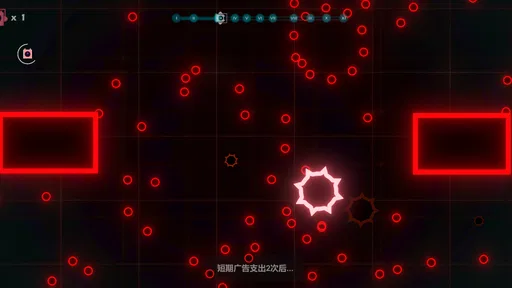
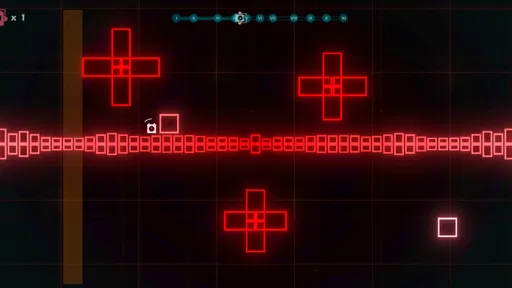
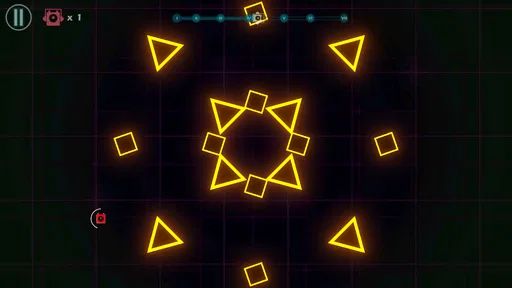
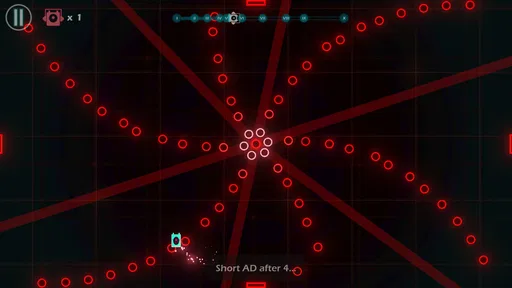
Our Review of Shape Music Rhythm
 Analysis by Appyee
I approached Shape Music Rhythm expecting a quick music game, but its appeal became clearer after several short sessions: the central idea is to turn musical timing into a visual shape-based challenge. That single capability gives the game its identity. Instead of treating rhythm as something you only hear, it asks me to connect what arrives on screen with the beat I am following. The result is simple to understand, quick to start, and more mentally demanding than the brief store description suggests.
This is a free music game from Mai An Tim, available for Android devices running Android 8.0 or later. It is aimed at Teen players, and its current version is 1.21. The game has already passed one million installs, while its average score sits at 4.0 from roughly 5,400 ratings. Those figures suggest a healthy audience, but they do not tell me whether it will suit every rhythm-game fan. In my experience, the important question is whether you enjoy visual timing and repetition more than elaborate progression systems.
Why the shape-and-rhythm idea matters
The strongest part of the game is the way it makes rhythm visible. In a conventional music game, I usually watch for notes approaching a target line or wait for a familiar pattern of taps. Here, the shape presentation gives the timing task a different feel. I am not simply reacting to isolated symbols; I am trying to understand a moving visual pattern while keeping the music in mind.
That distinction affects concentration. A sound can tell me when something is happening, but a shape can also suggest how the next moment will unfold. When I stop staring at individual objects and begin reading the overall movement, the game feels less like random tapping and more like following a visual phrase. This is the capability worth paying attention to: the shapes translate musical timing into a visual decision-making task.
It is also why the game can work for people who find traditional rhythm interfaces tiring. The visual language is more prominent, so I can use sight and hearing together instead of relying on one sense. That does not make the game automatically easy. In fact, combining both forms of information can be demanding when the screen becomes busy or when my attention drifts.
I would not describe this as a music player, a composition tool, or a replacement for a full rhythm-action game. Its purpose is narrower and more focused. It gives me a compact challenge built around timing, shapes, and music. That focus is a strength when I want a quick test of concentration, but it can feel limited if I am looking for a large campaign, deep customization, or a broad collection of modes.
What the visual design changes during play
In many rhythm games, I can get away with memorizing a familiar lane pattern. Shape Music Rhythm encourages a different habit. I need to recognize the visual form quickly, judge its relationship to the beat, and respond without losing the wider pattern. That makes anticipation more valuable than frantic reaction.
My most useful adjustment was to stop chasing every shape with my eyes. I began watching the area where the next interaction would matter and listening for the musical pulse at the same time. This reduced the feeling of being late. It is a small change, but it shows how the game rewards attention management rather than speed alone.
Another practical point is that the visual cue and the audio cue do not serve exactly the same purpose. The shape tells me what to watch, while the music helps me judge when to act. If I focus only on the screen, I become more likely to react to movement instead of rhythm. If I focus only on the sound, I can miss the visual information that tells me what response is expected. The best results come from treating the two cues as partners.
That design also creates a useful learning curve. At first, I tend to react to whatever catches my eye. After a few attempts, I start recognizing recurring visual relationships and preparing earlier. The improvement feels earned because it comes from understanding the presentation, not merely from memorizing a button sequence.
How it feels in everyday use
The game fits naturally into short breaks. I can open it when I have a few minutes before leaving home, during a quiet pause, or while waiting for an appointment. Because the core challenge is immediate, I do not need to invest a long session before reaching the interesting part. That makes it more practical than music games that require a lengthy setup or a sustained commitment.
A realistic use case is a short evening session after work. I might play one round while listening carefully, notice that I am consistently missing transitions, and then try again with my attention placed farther ahead on the screen. The second attempt becomes less about chasing mistakes and more about testing a specific adjustment. That is where the game has value: it gives a small, repeatable task that can be approached deliberately.
I also found that the game is better suited to focused play than casual background use. If I am watching television, talking with someone, or checking messages between actions, the visual rhythm loses its effect. The shapes need enough attention to be read as a sequence. This is not a criticism of the concept; it is a reminder that the game’s main feature depends on concentration.
Short play sessions can be useful for players who enjoy improving a personal response pattern. Rather than expecting a large narrative reason to continue, I return because I want to handle the visual timing more cleanly. That motivation will vary widely. Players who need unlockable stories or character development may find the loop too focused, while people who enjoy practicing coordination may appreciate its compact structure.
A practical way to learn the visual rhythm
I recommend beginning with a relaxed posture and keeping the phone at a comfortable distance. Holding it too close makes every movement feel larger and encourages tunnel vision. I also try to keep my eyes near the active area rather than following each shape from its starting point. This leaves more attention for the next cue.
When I miss repeatedly, I do not immediately assume that faster reactions are the answer. Often the problem is that I am reading the shape too late. Looking farther ahead gives the brain more time to interpret what is coming. Listening for the beat also helps prevent premature actions caused by a visually striking movement.
Another useful approach is to treat each attempt as a small experiment. I might concentrate on the audio for one round, then give more attention to the shape flow in the next. This reveals whether my problem is timing, visual tracking, or divided attention. It is more productive than repeating the same habit and hoping that accuracy improves by itself.
Players who experience visual fatigue should take breaks rather than forcing a long session. The game’s compact nature makes that easy. A pause does not feel like abandoning a lengthy run, and returning later can make the patterns easier to read. For me, this is one of the better ways to enjoy the game without turning a light activity into a tiring one.
The best scenario for this game
Shape Music Rhythm is at its best when I want a focused musical challenge without the weight of a larger game. It works particularly well for someone who enjoys testing coordination, visual recognition, and timing in brief sessions. The shape-based presentation gives the experience enough personality to stand apart from a standard tap-to-the-beat format.
It can also suit players who like improving through observation. The game invites me to notice why an attempt failed and adjust how I read the next sequence. That makes it more satisfying for a patient player than for someone who only wants instant success. The challenge is not just pressing at the right moment; it is learning how the visual information communicates that moment.
For a casual group setting, I can imagine handing the phone to a friend and letting them try a few attempts. The rules are approachable enough to explain quickly, and the visual presentation gives people something concrete to react to. Still, it is not necessarily a party game. Its best qualities appear when one player gives the screen and music genuine attention.
The free entry point is another reason it is easy to recommend as a trial. I can install it without committing money first, then decide whether the focused rhythm loop matches my taste. Optional purchases are priced at $1.99 per item, so anyone considering them should first establish whether the core experience is something they actually want to continue playing. I would not buy anything simply because the first few attempts feel difficult; the game rewards practice, and difficulty alone is not evidence that an upgrade is needed.
Where the tradeoffs become noticeable
The same focus that makes the game distinctive can also make it feel narrow. Players accustomed to rhythm titles with extensive song libraries, multiple control styles, or long-term progression may want more variety than this experience provides. I would choose a broader alternative when my priority is discovering many musical genres or building a long session around different modes.
The visual approach may also divide players. Some people will find shapes more engaging than lanes or conventional note markers. Others may prefer a familiar interface because it communicates timing more directly. If you already know that abstract visual cues frustrate you, the game may require more patience than its simple premise suggests.
There is also a difference between being free to install and being entirely frictionless. Optional purchases can be useful for players who want to spend more time with the game, but they introduce a decision that is not present in a completely self-contained experience. I appreciate having the chance to try the game before making that choice, although I would keep spending limited until the visual rhythm has genuinely clicked.
The Teen content rating is worth noticing for families choosing games for younger players. I would not treat the rating as a recommendation for every child, particularly if the player is sensitive to fast visual movement or becomes frustrated by repeated misses. Parents should also remember that in-app purchases are available and review their device’s purchase controls before handing the phone over.
Device compatibility is reasonably accessible because the game supports Android 8.0 and later, but an operating-system requirement does not guarantee that every screen will feel equally comfortable. Shape-based timing benefits from a clear display and responsive touch input. On a smaller or older device, I would pay close attention to whether I can read the visual flow without covering important areas with my fingers.
How it compares with familiar rhythm alternatives
Compared with lane-based rhythm games, this one feels less dependent on memorizing a fixed track layout. The shape presentation asks me to interpret form and movement, which gives the challenge a more visual character. A lane-based game may be preferable if I want highly standardized cues and a strong sense of mechanical precision.
Compared with music games built around collecting songs or characters, Shape Music Rhythm is more direct. I am not opening it for a story or a collection system; I am opening it to engage with the timing challenge. That makes it easier to fit into a short break, but it may offer less motivation for players who enjoy managing a growing roster or unlocking content over time.
Compared with a simple tapping game, it demands more than repeating a single action. The shapes give the screen a layer of interpretation, and the music encourages me to coordinate rather than react blindly. If I want something almost mindless, a basic tapper would be a better choice. If I want a small game that asks me to listen and watch together, this is the more interesting option.
Who will get the most from it
I would recommend it first to players who enjoy rhythm games but want a presentation that feels different from the usual note lanes. It is also a good fit for people who like compact skill challenges and do not need a story to justify another attempt. The free download makes it sensible to test, especially if the idea of reading musical timing through shapes sounds appealing.
It is less suitable for someone seeking a complete music library, extensive social features, or a deep progression structure. I would also steer away from it if visual concentration games tend to cause fatigue or if you prefer slower, more predictable controls. The game’s value depends on accepting its narrow purpose rather than expecting it to cover every part of the music-game category.
Mai An Tim has made a game whose most meaningful feature is not a long list of systems but a particular way of presenting rhythm. That makes the experience easy to describe yet surprisingly dependent on how each player processes visual and audio cues. My advice is to give it several attentive attempts, change where you focus on the screen, and listen for the beat instead of rushing after every movement.
After using it, I see Shape Music Rhythm as a focused, approachable choice for short sessions and deliberate practice. Its 4.0 average from about 5,400 ratings reflects a generally positive reception without making it a universal recommendation. I would install it for a fresh take on visual rhythm, keep expectations modest about breadth, and skip optional spending until the core timing loop proves that it belongs in my regular rotation.
Verdict
Strengths of Shape Music Rhythm
- Simple tap-based controls are easy to learn within minutes.
- Short rhythm sessions fit well into quick breaks.
- Colorful geometric visuals give the game a distinctive style.
- Increasing difficulty keeps later stages challenging.
- Works well for players who enjoy music-focused casual games.
Limitations of Shape Music Rhythm
- Timing can feel unforgiving on faster levels.
- The soundtrack may become repetitive after extended play.
- Limited gameplay variety can reduce long-term replay value.
- Visual effects may feel distracting during difficult patterns.
- Progress can feel slow for players seeking frequent rewards.
Similar Picks in This Category
View All
Tiles Hop Music & Ball Game
AMANOTES PTE. LTD.4.3

Magic Tiles 3™ - Piano Game
AMANOTES PTE. LTD.4.6

Real Piano
Bilkon3.7

Piano Game: Classic Music Song
Dream Tiles Piano Game Studio4.0

Smash Colors: Music Ball Rush
BADSNOWBALL HONGKONG LIMITED4.2

Piano Music Go-EDM Piano Games
Joy Journey Music Games4.5
Frequently Asked Questions
What is Shape Music Rhythm?
Shape Music Rhythm is a music-based rhythm game in which players interact with colorful shapes and timed visual elements while following the beat of the soundtrack. The main objective is to tap, hold, or follow the shapes accurately as they appear, creating a combination of reflex challenge and musical entertainment. Its simple concept makes it easy to understand, although later stages can require concentration and precise timing.
How do you play Shape Music Rhythm?
Gameplay generally involves watching the screen carefully and responding to shapes or notes in time with the music. Depending on the level, you may need to tap at the correct moment, follow moving objects, or avoid missing incoming beats. Success depends on rhythm, reaction speed, and practice. New players may need a few attempts to become comfortable with the timing and increasing difficulty.
Does Shape Music Rhythm require an internet connection?
An internet connection may be needed for certain features, such as downloading songs, displaying advertisements, synchronizing progress, or accessing online content. However, some previously loaded levels may remain playable offline. Availability can depend on the version installed and the device platform. Before traveling or playing without data, it is recommended to open the game while connected and check which content is available offline.
Is Shape Music Rhythm free to download and play?
Shape Music Rhythm can generally be downloaded without an upfront purchase, but free access may include advertisements, optional purchases, or limitations on available songs and content. In-app purchases may provide additional gameplay options or remove some restrictions, depending on the version. Parents should also review purchase settings if children use the device, since rhythm games can encourage repeated attempts or optional spending.
What devices are compatible with Shape Music Rhythm?
Compatibility depends on the operating system version, available storage, screen resolution, and the specific release offered for Android or iOS. The game should run best on relatively modern devices with responsive touchscreens, because accurate input is important for rhythm gameplay. Before downloading, check the official store listing for the required operating-system version and make sure the device has enough free space for the app and additional music content.
Play our best games!


